
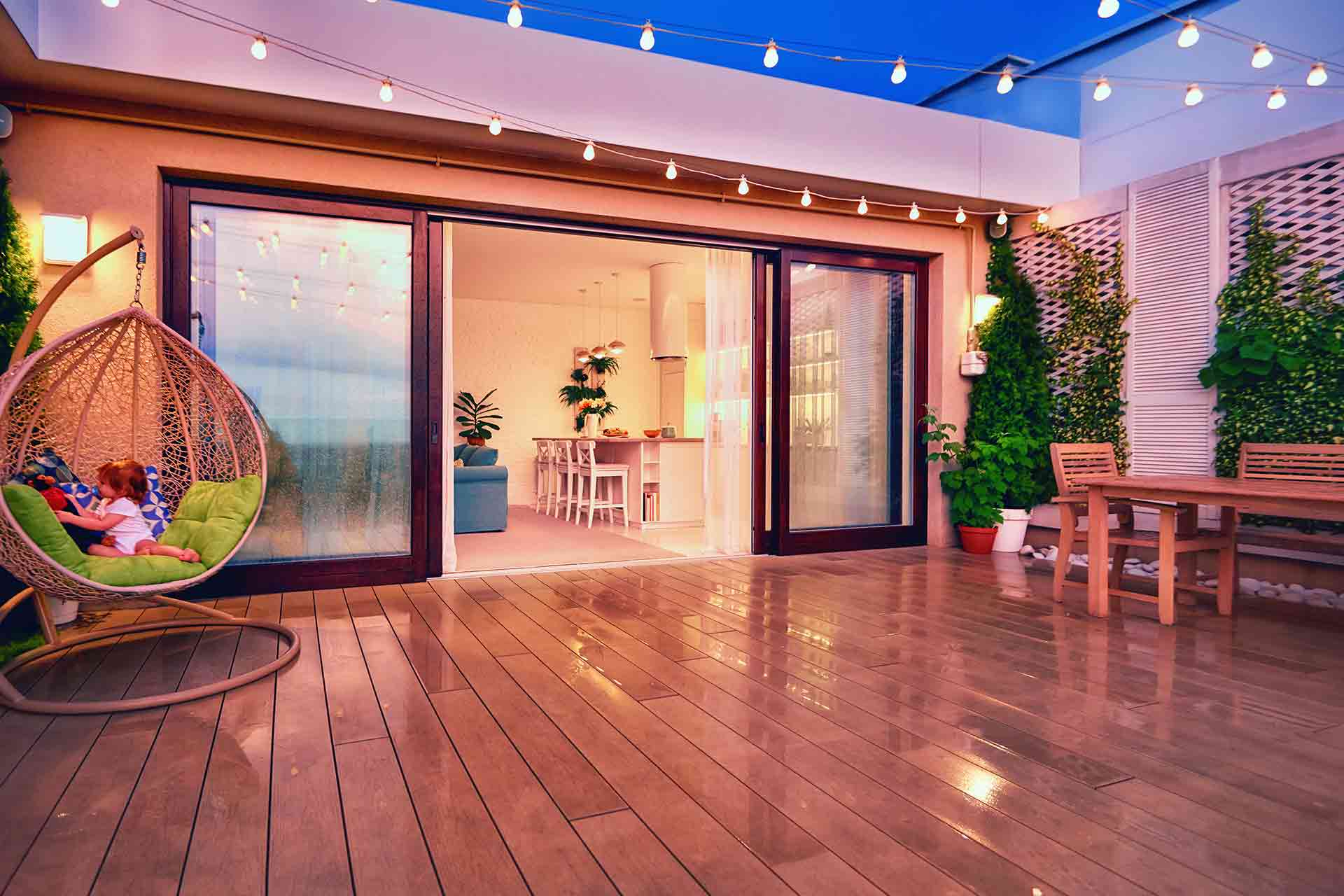
Floors are an important part of the appearance and use of our homes. It’s not just the structure of the house; it is part of the house. It shows our style and our needs. This complete guide discusses the different types of flooring, their pros and cons, how to keep them in good condition and the latest innovations so you can make an informed choice for your space.
Floor types: quick view
There are many types of floors, each with its own advantages, appearance and functionality. Let’s take a look at some of the most common types:
wooden floor
Hardwood floors have a warm, natural look that can make any room look more elegant. It is known for being durable and classic. Whether you prefer the classic look of oak, the richness of walnut or the exotic feel of bamboo, hardwood floors bring a natural look to your home.
vinyl plank floor
Laminate floors are a cheaper and more flexible option than traditional hardwood floors. As technology advances, laminate now looks like wood, stone or tile. It also has a sturdy surface that can withstand the wear and tear of everyday life.
vinyl floors
Vinyl floors have changed a lot over the years. It now comes in a variety of styles and textures and can look a lot like stone, ceramic or hardwood. It is sturdy and easy to maintain, making it ideal for high-traffic areas and homes with children or pets.
tile
Ceramic tile floors are popular because they are long lasting and not damaged by water. Ceramic tiles are available in a variety of colors, styles and finishes to suit any decor style, from traditional to modern.
Carpets and floors
Carpet is often used in bedrooms and living rooms because it makes the room feel warmer and cozier. Rugs can make your home look better and feel more comfortable because they come in a variety of patterns, textures and colors.
Wooden floors are both beautiful and durable.
Wooden floors are not only beautiful, they are also long-lasting, adding value to your home. Understanding the different types of hardwood, how to care for them, and their pros and cons can help you decide if this type of flooring is right for your room.
certain types of wood
There are many types of hardwood floors, each with its own texture, color and hardness. Oak, maple, cherry and exotic woods such as mahogany and teak are all popular choices.
good and bad
Hardwood floors are very sturdy and can last for generations, but require regular maintenance and can be damaged by water and scratches. It may also cost more initially than other flooring options.
care and maintenance
As long as you sweep regularly, mop occasionally, and clean up spills promptly, your hardwood floors will look like new. You can also refinish them every few years to bring them back to their original shine.
Laminate floors are inexpensive and versatile.
Laminate floors look like hardwood or stone, but don’t cost as much. It is made from multiple layers of compressed material for a durable and easy-to-clean finish.
What is laminate flooring?
Laminate consists of two layers: a photographic layer that looks like wood or stone, and a protective layer that will not scratch, dent or fade.
Possibilities and disadvantages
Laminate floors last a long time, are easy to install and do not quickly become dirty or wet. But it can’t be refinished like hardwood, and it may not feel as warm or natural on the feet.
How to install something
The snap-lock design of laminate flooring makes it easy to install yourself. The right underlay is important for comfort and noise reduction.
Vinyl floors are sturdy and easy to clean.
Some vinyl floors are designed to look like solid wood or stone, which shows how far this material has come. Because it is sturdy, it is an excellent choice for areas where spills and water can occur.
Different types of vinyl floors
Vinyl floors come in different types, such as sheets, tiles and planks. Each has its own advantages. These flooring options, luxury vinyl plank (LVP) and luxury vinyl tile (LVT), look and feel more like real wood or stone.
pros and cons
Vinyl does not get wet easily, has a long lifespan and feels good underfoot, making it perfect for bathrooms and kitchens. However, it can be prone to scratches and may not be as environmentally friendly as other options.
How do you maintain vinyl floors?
Your vinyl floor will remain in good condition if you sweep it regularly and wipe it down occasionally with a mild detergent. Do not use aggressive cleaning
Ain tiles are more resistant to water and stains. Non-porcelain tiles, on the other hand, are available in more styles and are often cheaper.
Installation and maintenance
Ceramic tiles last longer, but require more work to install and keep clean. To prevent the grout from becoming stained, it should be cleaned regularly and any cracked tiles should be replaced immediately.
Carpet feels good and looks good.
The word carpet means comfort. More warmth and insulation, and less noise, so perfect for bedrooms and family rooms.
How to choose the right rug
When choosing a rug, consider the pile type, material and durability. People like nylon and polyester because they are strong and resistant to stains. Wool, on the other hand, is a natural, luxurious choice.
How to perform maintenance
Your carpet will last longer if you vacuum regularly and clean up spills immediately. A professional cleaning once a year can also maintain the look and feel.
How to choose the best flooring for your home
When choosing a floor, you should consider your lifestyle, budget and the purpose of the room. Durability, maintenance and appearance are all important things to consider.
Things to think about
Consider how the room will be used, how much humidity it will receive and what your family needs. Pets, children, and heavy foot traffic can all influence the flooring you choose.
adjacent floor types
Each type of floor has advantages and disadvantages. The beauty of hardwood can be long lasting, but it is also more expensive. Vinyl and laminate are cheaper options, last a long time and are easy to clean.
How long is the lifespan of the floor?
More and more people are choosing floor coverings that are good for the environment. Bamboo, softwood and old hardwood are all great options if you want to reduce your impact on the environment.
View the different types of floors
This section reiterates the importance of carefully considering different flooring options to find the one that best suits your home and lifestyle.
New developments in floor technology
The flooring industry is constantly changing as materials and technology advance. The future of floors will be determined by smart floors and environmentally friendly developments.
Nice floor
New flooring options now include built-in technology. For example, floors that can be heated and cooled or generate electricity from foot traffic are just one example.
sustainable development
Environmentally friendly materials and production methods are at the forefront of new flooring concepts, offering people stylish and sustainable options.
In summary
Choosing the right floor is an important choice that affects the look, feel and use of your home. You can choose a floor that suits your needs and style by considering the different types, their pros and cons, and how to maintain them. Whether you prefer the natural beauty of hardwood, the durability of vinyl or the comfort of carpet, there is a flooring type for every room and every lifestyle.