
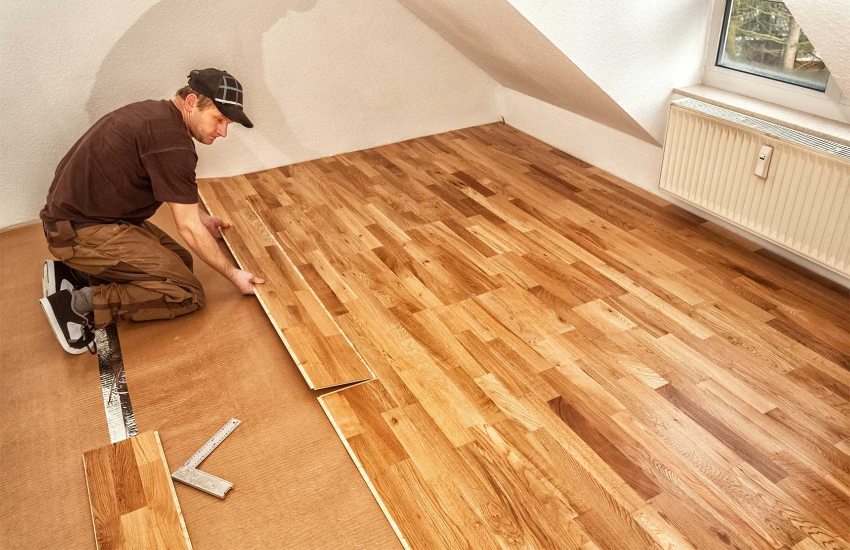
Installing new flooring yourself is a fun and rewarding way to change the look of your home. Whether you want your living space to look better or increase the value of your home, you can install new flooring yourself cheaply. If you’re wondering how to choose the right flooring material and carefully install your new floor, this guide will show you every step.
How to choose the right flooring materials Different types of flooring materials
There are many types of floors, each with its own characteristics and all of which look good. Many people choose hardwood, laminate, vinyl and ceramic tiles as floor coverings. Understanding the differences between each material can help you make a choice that suits the needs of your home and your own tastes.
What are the advantages and disadvantages of different types of floors?
It is important to weigh the pros and cons of each type of flooring. Wooden floors remain beautiful for a long time, but require more maintenance. Laminate and vinyl floors, on the other hand, last longer, are easier to install and cheaper. Tile floors are ideal for wet areas, but they can be cold to walk on and difficult to lay down.
Plan your DIY floor installation
How big is your space?
Proper measurement is the most important part of installing floors yourself. Knowing how many square feet your room has will help you purchase the right amount of materials, saving you time and money.
Find out what materials you need
In addition to the floor itself, you also have to take into account things such as subfloors, decorative moldings and adhesives. To avoid having to stop halfway through the project and go to the store, make a detailed list.
What you need to install floors: Tools and materials
List of important tools
For a smooth installation process, it is important to have the right tools on hand. These include a tape measure, a knife, a saw and a trowel.
List of materials
Make sure you have everything you need before you start your project. This list contains the desired floor covering, the subfloor, spacers and any adhesives or fasteners required for your floor type.
Ready to install
Clear the area and keep it clean
A clean and tidy workplace is very important. Throw away old floors, furniture and appliances to make room for new floors, furniture and appliances.
Why subfloors are important
Underlays make the floor surface smooth and stable. It also blocks noise and prevents moisture from entering. Choosing the right underlay is just as important as choosing the right floor.
How to lower the floor step by step
Prepare the subfloor
It is important that the subfloor is clean, stable and flat. Any required repairs or leveling work must be completed before installation begins.
drop the first line
It is very important to start the installation correctly. The rest of the project is based on clear instructions on how to align, install and attach the first row of floorboards.
Cut and fit
You have to make the cuts yourself around corners, doorways and other obstacles. To achieve a professional look, this step requires a lot of accuracy and patience.
finishing touches
Installing skirting boards, moldings and transitions not only makes your floors look better, but also prevents edge damage.
Frequently asked questions and their solutions
How to Repair an Uneven Subfloor: Uneven subfloors are common but can be repaired with the right tools and methods. In this section you will find useful tips for leveling and preparing your subfloor.
Dealing with obstacles and corners
Finding your way through difficult terrain requires skill and creativity. This page provides information on cutting and installing flooring around complex shapes.
This way you keep your new floor in good condition
How to perform daily maintenance
If you want your new floor to keep looking its best, it needs regular cleaning and maintenance. With simple steps you can ensure that your floors look beautiful and durable.
long-term care plan
Keeping your investment safe requires more than just routine maintenance. In this section, you’ll find tips on how to maintain your floors in the long term, from preventing scratches to cleaning up spills.
Why laying floors yourself can save you money
The opportunity to save a lot of money is one of the best reasons to consider installing your own flooring. If you don’t have to pay employees, you can spend more of your budget on buying better materials.
personal happiness
When you lay a new floor yourself, you get a sense of satisfaction and the satisfaction that you have made a difference in your home.
If you plan ahead, have the right tools and the right attitude, you can achieve professional-quality results and have the satisfaction of a job well done.
In summary
Installing your own flooring is a worthwhile project that will not only make your home look better, but also increase its value. If you plan ahead, have the right tools, and follow the steps, you can successfully install new flooring in your home. This guide will give you the information and confidence you need to complete your flooring project with ease, regardless of how much experience you have or if it’s your first time.