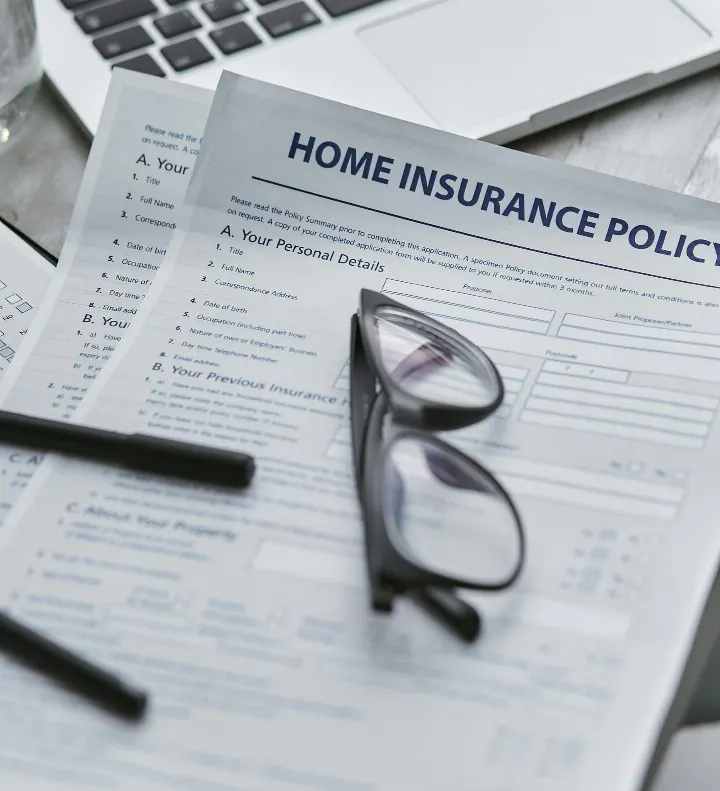
What retail business insurance covers

Retail business insurance usually covers five areas: the stock and equipment inside the shop, the building or fit-out, claims from customers or the public, loss of income after a disaster, and your employees. Each is a separate piece of cover, and not every policy includes all of them. Knowing the list lets you ask an insurer exactly what is and is not in your quote.
1. Stock and contents
This pays for stock, shelving, tills, computers and display units that are damaged or destroyed by listed events such as fire, flood, storm or burst pipes. Theft is often covered too, but with conditions. Ask whether stock is insured at what you paid for it or at the selling price, and whether goods in a storeroom, in transit or at a pop-up stall are included.
2. Premises and fit-out
If you own the building, you need buildings cover. If you rent, your lease usually says who insures the structure, and you may be responsible for the fit-out you installed: flooring, lighting, partitions and signage. Check the lease first so you do not pay twice or leave a gap. Glass and shop-front cover is often a separate item and worth asking about.
3. Public liability
If a customer slips on a wet floor or a falling display injures a visitor, public liability cover can pay legal costs and compensation. It is one of the most important covers for any shop open to the public. Check the limit of indemnity, which is the most the insurer will pay for one claim, and whether it is enough for your premises.
4. Product liability
If you sell items that cause harm, such as food, cosmetics, electrical goods or toys, product liability covers claims arising from them. Importers and own-brand sellers face greater exposure than simple resellers, so tell the insurer how you source your goods.
5. Business interruption
After a fire or flood, the shop may be closed for weeks while rent, wages and loans still have to be paid. Business interruption cover replaces lost gross profit for a defined period. Make sure the period matches how long it would really take to reopen, and ask which events trigger a payout. Many policies exclude losses with no physical damage.
6. Employee cover
Many countries require employers to insure staff against workplace injury, or to contribute to a compensation scheme. Even where it is not required, it protects you from a large claim. Your health or accident cover for staff may be a separate matter again.
7. Other covers to consider
- Money. Cash on the premises and in transit to the bank.
- Cyber. Card data breaches, ransomware, or an online store being taken offline.
- Equipment breakdown. Refrigeration, air conditioning and point-of-sale systems.
- Goods in transit. Deliveries to customers.
- Legal expenses. Disputes with suppliers, staff or landlords.
Questions to ask before you buy
- What is the sum insured, and how was it calculated? Under-insuring can reduce a claim in proportion.
- What is the excess, the amount you pay on each claim?
- What are the exclusions? Read the section on theft, water damage and unattended premises.
- Are there security requirements, such as locks, alarms or CCTV, that must be met for cover to apply?
- How do I report a claim, and what evidence will you need?
Retailers in the Gulf
Gulf retailers should confirm a few local points. Some countries require certain covers, such as workers' injury cover or health insurance for employees. Landlords in malls and commercial buildings often require tenants to hold public liability insurance and to name them on the policy. Heat, dust and power surges can damage electronics and cold storage, so ask whether those are covered. If you hold stock in a free zone warehouse or ship from abroad, check where that stock is covered and whether the insurer is licensed with the local regulator.
If your shop is part of a franchise or sits in a shopping centre, read the lease and franchise agreement, because they can set minimum levels of insurance.
Keep your cover current
Review the policy yearly. New stock lines, a refit, a second branch or an online shop can all change the risk. Keep an inventory with photographs and purchase records, because a claim is easier to pay when you can prove what you had. An independent broker or the insurer's licensed agent can compare quotes, but always read the policy wording yourself.
Dealzbook publishes general information, not personal advice. Rules and prices change, so check with the relevant authority or a licensed adviser before you act. See our editorial policy, or tell us about a mistake.