Easy DIY fixes for common household leaks
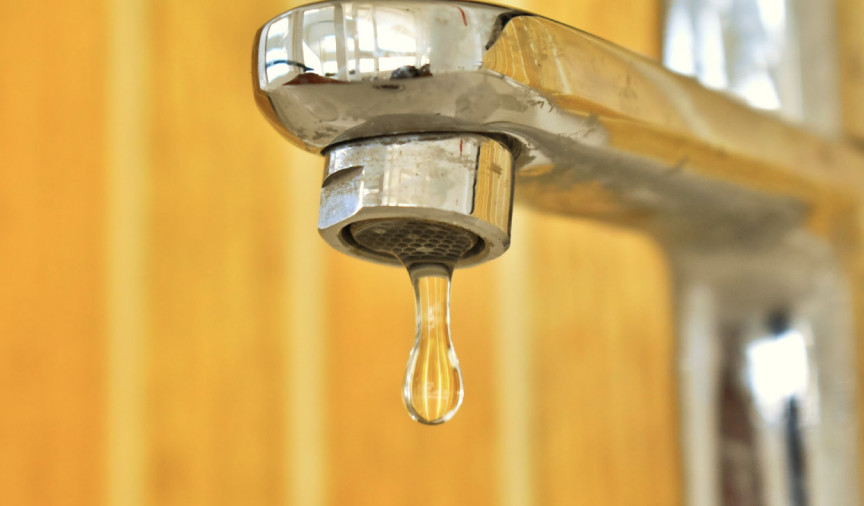
Most small household leaks can be stopped in minutes: turn off the water at the nearest valve, find where it is coming from, and replace the worn part, which is usually a washer, a seal or a flapper. Call a plumber if the leak is inside a wall, near electrics, or does not stop when you close the valve.
First, limit the damage
- Locate the isolation valve under the sink or behind the toilet and turn it clockwise until it stops.
- If there is no local valve, shut the main supply for the flat or house.
- Mop up standing water and place a bowl or towel under the leak.
- If water is near sockets, switch off power at the consumer unit before touching anything.
Dripping tap
A steady drip from the spout usually means a worn washer or cartridge.
- Close the supply and open the tap to release pressure.
- Remove the cover or cap, then unscrew the handle and the retaining nut. Put the plug in the sink so no small parts fall down the drain.
- For a washer tap, replace the rubber washer. For a mixer or cartridge tap, replace the cartridge with a matching one. Take the old part to a hardware shop to match it.
- Reassemble, open the supply slowly and check.
If the leak is around the base of the tap, the O-ring is often the cause, and it is cheap to replace.
Running toilet or water trickling into the bowl
This wastes water and raises bills. Lift the cistern lid and check:
- Flapper or seal. If it is warped, dirty or not sitting flat, clean it or replace it.
- Float level. If water rises above the overflow tube, lower the float so the valve closes earlier.
- Chain. If it is too tight or too slack, the flush may not seat properly.
- Inlet valve. If it hisses and never stops, it may need a new washer or a replacement fill valve.
A drop of food colouring in the cistern, left for a few minutes without flushing, shows whether coloured water reaches the bowl, which points to the flapper.
Leaking trap under the sink
The U-shaped or bottle trap collects water, so a leak here shows as drips or damp in the cabinet.
- Place a bucket underneath and unscrew the trap by hand.
- Check the rubber washers, and replace any that are cracked or flattened.
- Clean out debris, refit and hand-tighten. Do not overtighten plastic fittings, because they can crack.
- Run water and check each joint with a dry piece of tissue.
Leaking pipe joints and hoses
A weeping compression joint can sometimes be fixed by tightening the nut a small amount. Flexible hoses to taps and washing machines wear out, and replacing a bulging or corroded hose is better than patching it. Emergency pipe repair tape or clamps can hold a pinhole leak until a plumber arrives, but they are temporary.
Shower and bath seals
Water escaping around a bath or shower tray often comes from failed silicone. Scrape out the old sealant, clean and dry the area completely, then apply fresh bathroom sealant and leave it to cure for the time on the pack. Persistent damp below, or a stain on the ceiling of the flat underneath, suggests a deeper problem.
When to call a plumber
- Water is coming through a wall, floor or ceiling.
- You cannot isolate the leak.
- The water meter keeps moving when every tap and appliance is off.
- You smell hot water leaking from a boiler or heater.
- There are stains, bubbling paint, mould or a musty smell with no visible source.
- The pipe is corroded or has been repaired repeatedly.
Hidden leaks do the most damage, so act on warning signs early.
If you rent a flat in the Gulf
Read your tenancy contract before repairing anything. In many places the landlord is responsible for structural and major plumbing faults, while tenants cover minor maintenance and damage they cause, but this depends on the contract and the local rental law. Report the leak in writing, with photographs, to the landlord or property manager straight away. Do not wait: damage to the unit below can lead to a dispute over who pays.
Check whether your building has a facilities team, as many apartment towers do, and whether shared pipes are the building's job. If the landlord does not act within the time set in your contract, check with the local rental dispute authority for the process. Keep a record of messages and receipts. Avoid replacing fixtures permanently without written permission, and keep old parts if the landlord wants to see them.
Prevention
- Check under sinks every month.
- Replace old washing machine hoses.
- Know where your isolation valves are, and test that they turn.
- Read your water meter or bill for unexplained increases.
Dealzbook publishes general information, not personal advice. Rules and prices change, so check with the relevant authority or a licensed adviser before you act. See our editorial policy, or tell us about a mistake.