
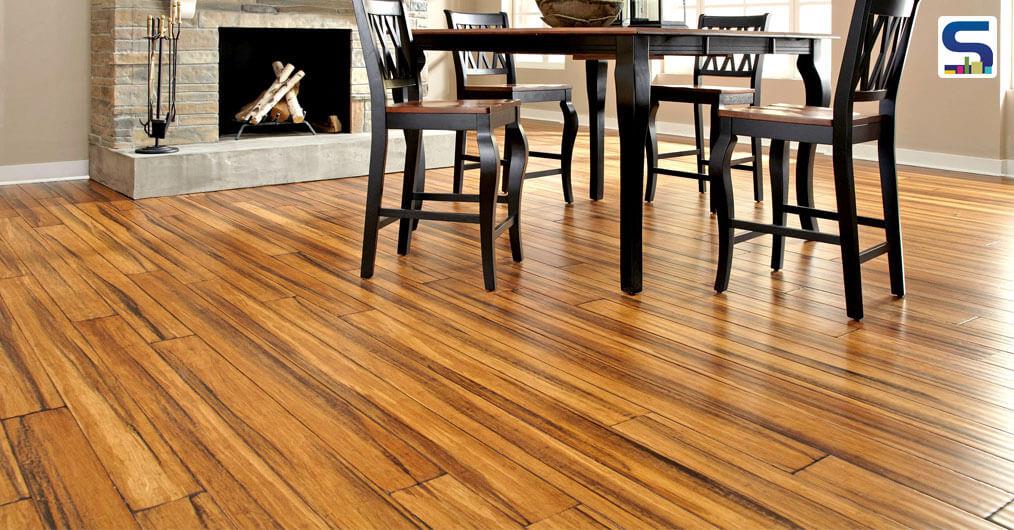
We make choices for families and other parts of life that are affected by sustainability. As a way to protect the environment while making your home look better, eco-friendly floors have become an important part of sustainable living. This article discusses why eco-friendly flooring choices are important, what makes flooring choices eco-friendly, and the different types of flooring that eco-friendly homeowners can choose from.
Different types of environmentally friendly floors
Different types of eco-friendly flooring have their own benefits and environmental considerations. Here we discuss some eco-friendly flooring options, such as:
Bamboo: the source of eternity
Bamboo floors are unique because they can be replaced quickly, have a long lifespan and are beautiful. It grows quickly, making it a very environmentally friendly choice. It feels like hardwood but has no negative impact on the environment in the long term.
Comfort and durability of cork
Cork is not only environmentally friendly, it is also warm and comfortable to walk on. It is a favorite among eco-friendly homeowners because it is naturally strong and insulating.
Reclaimed wood: the beauty of second-hand wood
Using reclaimed wood for flooring not only prevents tree loss, but also gives your home a unique look. With this option, old wood from different locations is reused, meaning less new wood is needed.
Linoleum was a logical choice.
Linoleum is biodegradable and available in different colors and patterns. It is made from natural materials such as linseed oil and jute. It is long lasting and easy to maintain, making it ideal for people who want to reduce their impact on the environment.
Recycled metal tiles are a good choice for businesses.
If you’re looking for something different, recycled metal shingles offer a unique industrial look and help recycle materials.
Concrete is both modern and sustainable.
Polished concrete floors look very modern and last a long time. It saves energy because existing concrete slabs are used and not many new materials are needed.
Wool rugs are natural and can be recycled.
Wool is a natural, renewable option for people who prefer the warmth and comfort of their rugs. Wool is a renewable resource used to make carpets that are durable and easy to clean.
Advantages and disadvantages of environmentally friendly floors
Choosing eco-friendly floors is not only good for the environment, but also for the health and well-being of the people who live in your home. Some important benefits are:
Environmental impact: Environmentally friendly flooring plays a major role in protecting forests and other natural areas by reducing demand on ecosystems and resources.
Health Benefits: Many types of eco-friendly flooring are non-toxic and hypoallergenic, making the air in your home healthier and the people who live there healthier.
Longevity and Durability: Because these flooring options are durable and durable, they require less frequent replacement, which will have a positive impact on the environment over time.
What you should pay attention to when choosing durable floors
When choosing eco-friendly flooring, it is important to consider the life cycle of the material, how it is installed and how often it needs to be maintained to keep it looking and performing well. Understanding these things can help you make decisions that fit your lifestyle needs and sustainability goals.
Several rooms may have eco-friendly floors.
When it comes to flooring, every room in your home has its own needs and concerns. This section explains how to choose eco-friendly flooring for areas such as the kitchen, bathroom, living room, bedroom and even outdoors. This ensures that your floor performs well and is good for the environment.
New concept of environmentally friendly flooring
Sustainable flooring is constantly changing as more and more people want eco-friendly options. New materials and technologies are being developed to meet this need. This section discusses the latest ideas and trends in the industry and shows how technological advances are making eco-friendly flooring easier to find and more attractive than ever.
See how much environmentally friendly floors cost
The initial investment in environmentally friendly floors is usually higher than that of traditional floors. On the other hand, this section describes the long-term savings and benefits to show how sustainable flooring can be achieved in the long term.
To remain beautiful and durable, durable floors require special care and maintenance. In this section, you’ll learn how to clean, repair, and refinish eco-friendly flooring options so you can keep them in good condition for years to come.
How eco-friendly flooring affects the value of your home
Installing eco-friendly flooring can make your home more valuable and attractive to buyers who care about the environment. This section looks at how eco-friendly flooring options can impact a home’s resale value and appeal to buyers who care about the environment.
Problems and solutions for environmentally friendly floors
There are many good reasons to switch to eco-friendly flooring, but it can be difficult to do so due to misunderstandings and other problems. This section discusses common problems and provides solutions, making eco-friendly flooring a better choice for everyone.
Certifications and standards for sustainable floors
To make an informed choice, you need to understand the different certifications and standards for eco-friendly flooring. This section discusses why third-party verification is important and how to read labels and certifications that demonstrate a product’s sustainability credentials.
Comparison between eco-friendly floors and traditional floors
This section compares eco-friendly floors with traditional floors on several aspects, showing the differences in terms of health, environment and costs. By exploring the pros and cons of each material, homeowners can better understand why durable flooring is the best choice.
Global trends in environmentally friendly flooring
Sustainable flooring is becoming increasingly popular around the world, with some countries being the first to adopt and use the new idea. This section discusses global trends, adoption rates and future prospects for eco-friendly flooring. This gives you an idea of how this movement is changing business around the world.
How to choose the best eco-friendly flooring for your home
When choosing the right eco-friendly flooring, you need to consider many factors, such as your home’s needs, style and lifestyle. In this section you will find advice on how to identify your needs and choose sustainable flooring options that suit your home and environmental values.
Environmentally friendly floors and indoor air quality
Sustainable floors are an important part of improving your indoor climate. This section discusses how eco-friendly flooring options can make your home healthier, which is good for the environment and the people who live there.
What eco-friendly floors can do for green buildings
Environmentally friendly floors are an important part of green and sustainable buildings. This section discusses how eco-friendly flooring options can meet green building standards, such as LEED certification, and help make construction projects more environmentally friendly overall.
In short, green floors are the future direction of development.
As we strive to make the future greener, eco-friendly flooring stands out as an important part of green living. This conclusion discusses how the demand for sustainable flooring options is growing and the importance of making eco-friendly decisions in all aspects of our lives. It shows how these decisions benefit the environment and future generations.
Frequently Asked Questions
What makes a floor environmentally friendly?
Eco-friendly floors are made from renewable, sustainable or recyclable materials that do not cause much damage to the environment. It also uses responsible production methods to make indoor air healthier.
How can eco-friendly floors help my health?
Many eco-friendly floors are non-toxic and hypoallergenic, meaning they reduce the amount of harmful chemicals and allergens in your home. This helps improve indoor air quality and makes living spaces healthier.
Are environmentally friendly floors more expensive than regular floors?
Some eco-friendly flooring options may cost more initially, but they generally last longer and are more durable, saving you money in the long run. They can also make your home more valuable if you decide to sell it.
In summary
Environmentally friendly floors are a stylish, healthy and sustainable alternative to regular floors. By choosing sustainable materials, homeowners can help protect the environment, have healthier air in their homes, and get long-lasting floors. As demand for eco-friendly options continues to grow, new sustainable flooring options are emerging. This makes it easier than ever to find green flooring options that suit your home and lifestyle. Adopting eco-friendly flooring is a step towards a more sustainable future and shows that you care about the environment and the health of our planet.