
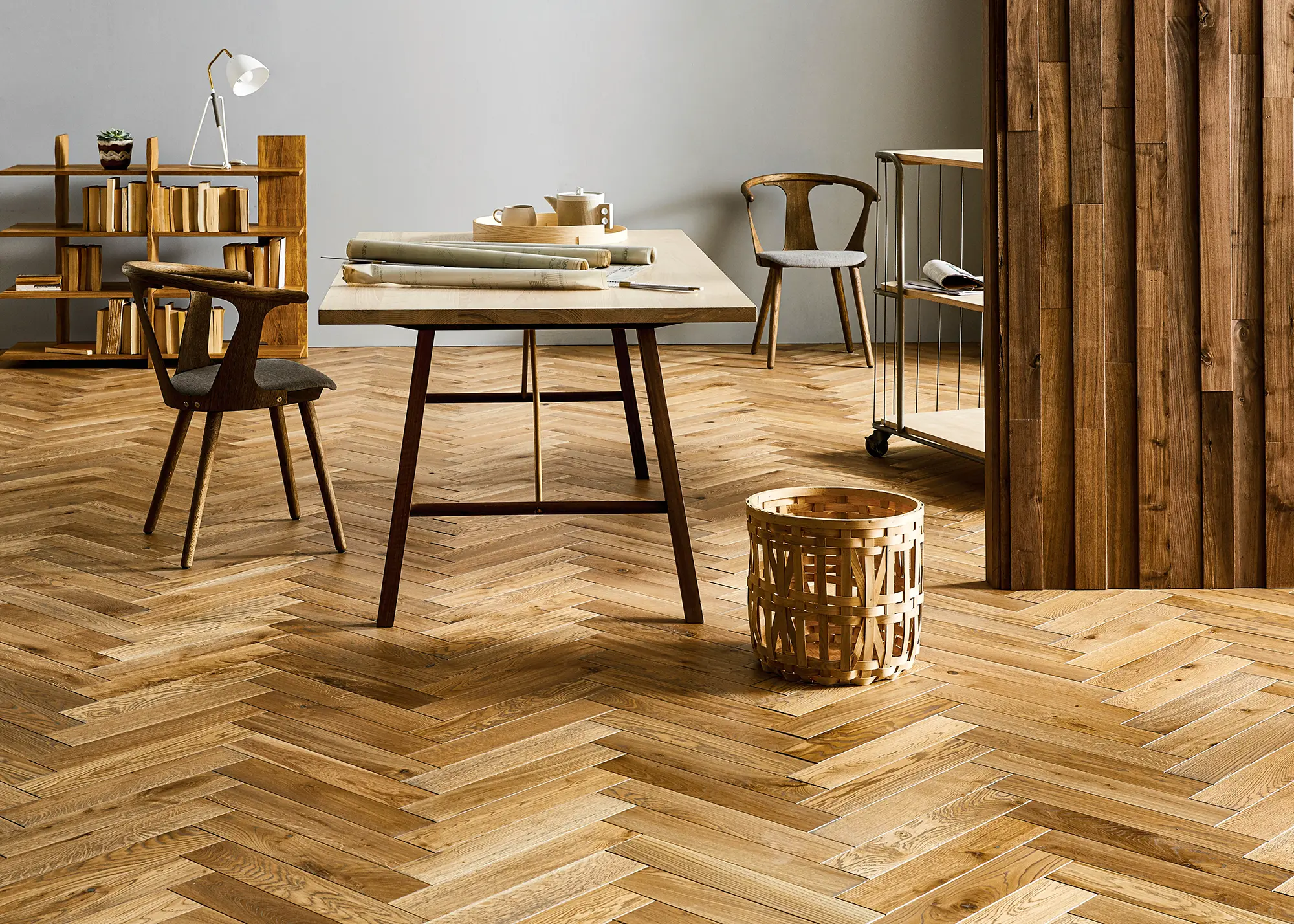
Floor design is an important aspect of interior decoration that can enhance the beauty and functionality of any space. It’s about choosing materials, colors, patterns and textures that are consistent with the purpose, style and overall décor of the room. This article delves into each element of flooring design and provides insights to help you make informed choices for your home or workspace.
Learn the basics of floor design
Floor design starts with understanding the purpose of the space. Different parts of a residential or commercial building have different needs in terms of sustainability, comfort and aesthetics. For example, living rooms and bedrooms often prioritize comfort and style, while kitchens and bathrooms require more durable and waterproof materials.
Choose the right material
The choice of flooring material is key to floor design. Here are some popular options:
Hardwood: Known for its durability and natural beauty, hardwood adds warmth and elegance to any room. It is available in different types, colors and finishes.
Laminate Floors: Laminate floors are an economical alternative to hardwood and are easy to install and maintain. It is available in different designs and mimics natural wood or stone.
Ceramic Tiles: Ceramic tiles are ideal for areas exposed to moisture, such as bathrooms and kitchens. They are available in different colors, sizes and patterns.
Rugs: Rugs are warm and cozy, perfect for bedrooms and living areas. It is available in different textures, colors and materials.
Vinyl: Vinyl floors are waterproof, durable and versatile. It is suitable for high-traffic areas and has designs that mimic wood, stone or tile.
Colors and patterns
The color and pattern of your floor can greatly influence the appearance of a room. Light colors make a room feel larger and more open, while dark colors create a cozy, intimate atmosphere. Patterns can add interest and energy to a space. For example, geometric patterns can create a modern look, while traditional designs such as herringbone or parquet have a classic look.
Texture and comfort
The texture of the floor contributes to the overall comfort and ambiance. For example, a plush rug can make a room feel cozy, while smooth tiles can give a room a clean, sleek look. Texture also affects the usability of the floor; in wet areas such as bathrooms, for example, it is best to use anti-slip tiles.
Sustainability and environmental friendliness
As environmental awareness continues to grow, eco-friendly flooring options are becoming increasingly popular. Materials like bamboo, cork and reclaimed wood offer sustainable options without sacrificing style or durability.
Installation and maintenance
Proper installation is critical to the life and appearance of your floor. Professional installation is recommended, especially for complex materials such as hardwood or ceramic tile. Maintenance varies depending on the material, with some floors requiring regular sealing or polishing while others only require basic cleaning.
Innovative floor trends
Technological advances have led to innovative flooring options such as waterproof laminate, luxury vinyl tile (LVT) and engineered wood. These materials combine the aesthetics of traditional floors with improved functionality and durability.
Integrate with interior design
Floor design should complement the overall interior theme. To achieve a harmonious look, you need to consider color schemes, furniture styles and decorative elements. A well-chosen floor can improve aesthetics and create a cohesive interior design.
Budget considerations
The cost of a floor varies widely depending on the material, brand and installation costs. It’s important to balance your budget with design preferences and practical needs to find the best solution.
Frequently Asked Questions
What is the most durable floor material?
Hardwood and ceramic tile are among the most durable flooring materials and are suitable for high-traffic areas.
Can I lay a laminate floor over existing tiles?
Yes, laminate flooring can be installed over ceramic tiles, as long as the surface is flat and in good condition.
How do I choose the best floor color for my room?
Consider the size of the room, lighting and color scheme. Light colors can make a small room seem larger, while dark colors can add warmth to a spacious space.